
Bees face extinction risks from pesticides and colony collapse disorder—but it's not inevitable. As pollination experts emphasize, simple actions from everyday people can make a difference.
Here's how you can help bees in your community with these 8 evidence-based strategies:

Bees' decline threatens ecosystems and economies worldwide. Pollination supports about $153 billion (roughly €140 billion) in global agriculture annually, according to expert analyses.
Research by 53 independent scientists pinpoints neonicotinoid pesticides as key culprits, slowly poisoning foraging bees. In France's Auvergne and Pyrenees regions, beekeepers report 50-100% honey production losses.
But there's hope: these 8 practical steps, drawn from beekeeping and conservation expertise, can help bees rebound. It's a vital stand against overwhelming odds.

The strongest tool against bee threats? Spreading awareness. Inform friends and family about risks to bees and agriculture—without pollination, 130 crop types are endangered, signaling broader human impacts.

Support local beekeepers by choosing regional honey from supermarkets, markets, organic stores, or online—always check the origin label.
Honey isn't just delicious; it's packed with antiseptic, healing, and energizing properties, varying by floral source. A natural sugar alternative rich in vitamins, it takes bees visiting 1 million flowers and flying the equivalent of a trip around the world to produce 1 kg.
To discover: Which Honey To Choose According To The Symptom You Have? Follow Our Guide.

Transform gardens, balconies, terraces, or pots into bee havens with organic seeds. Diversify plantings and mow lawns less to let wildflowers thrive—designate a no-mow zone for biodiversity.
Honey plants supply vital pollen, proteins, and nectar. Favorites include dahlias, lilies, nerine, Abyssinian gladiolus, and autumn crocuses. For dry/calcareous soils: poppies, oregano, camelina, cardoons, yellow reseda. For moist/cool soils: greater burdock, chicory, goldenrod, bugloss, phacelia.
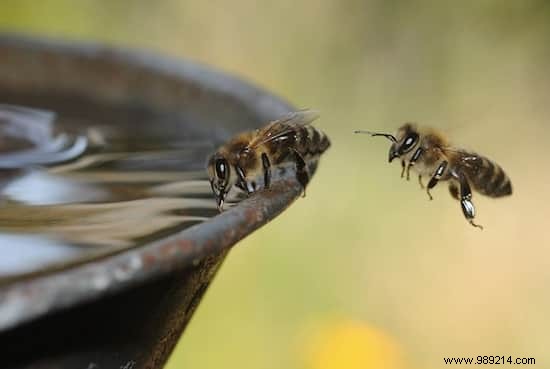
Bees need water for long foraging flights—to dilute larval food and cool hives. Use shallow dishes with marbles or pebbles for safe landing, as detailed here.
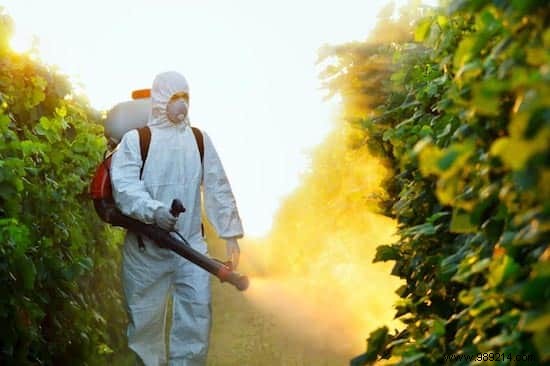
Pesticides harm wildlife—ditch them entirely. Eco-friendly alternatives like baking soda or white vinegar control weeds effectively and affordably.
To discover: 23 Ingenious Tricks To Simplify Your Gardening.
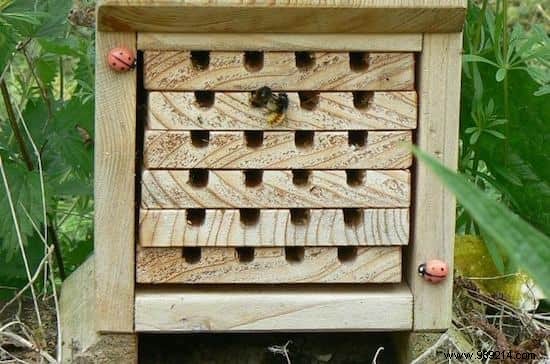
Build or buy a winter bee shelter—follow this video tutorial or purchase one affordably here.
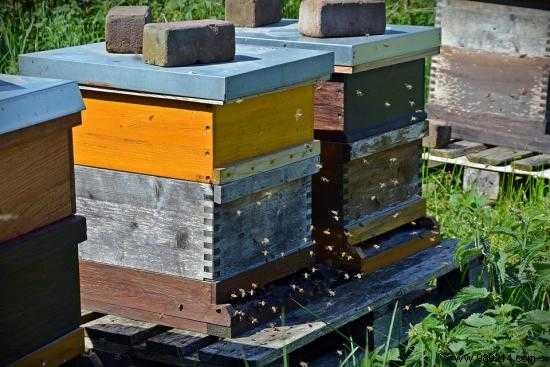
Sponsor a hive (whole or partial) to boost populations—adopt 4,000 bees (hives hold ~40,000). Get your name on the hive, plus honey jars. Learn more at untoitpourlesabeilles.fr.
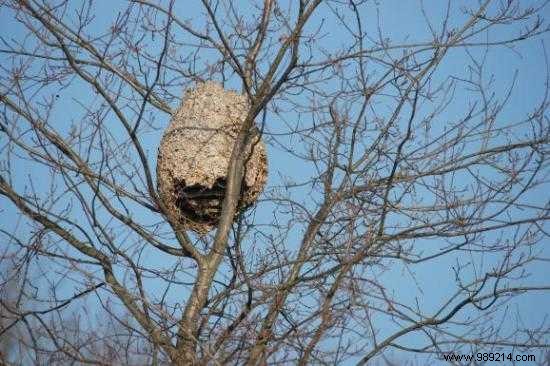
The invasive Asian hornet devastates hives—10 can wipe one out. Spot spherical nests? Report to your town hall for safe removal—don't attempt it yourself.
