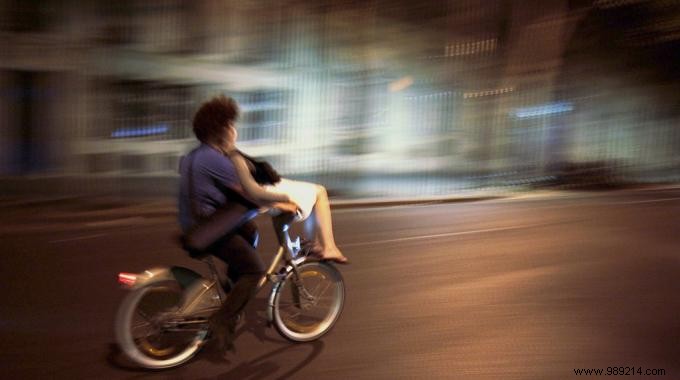
Tired of wasting time on faulty Vélib bikes that won't roll or break down mid-ride? Here are 8 proven tips to select a reliable two-wheeler every time.
I've been hooked on Vélib since its launch on July 15, 2007, in Paris—one of the first subscribers. Skeptics abounded back then, but I'm proud to say it worked out. Now, Vélibs are even in Bamako—a testament to its global success.

For over 15 years, I've pedaled freely through Paris streets (Autolib vibes aside), eyes wide to dodge speeding buses. But nothing beats the frustration of a dud bike wasting minutes at the terminal or turning a trip into a nightmare.
Through intensive daily use, I've refined a checklist that saves me significant time. Today, I share these 8 essential checks—completed in under 3 minutes.
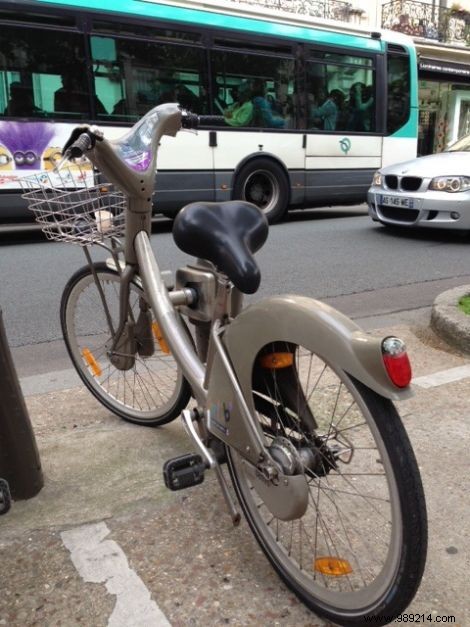
As you approach the station, scan for bikes with inverted saddles (like the one pictured). Skip them—they signal defective bikes marked for repair by users or JCDecaux maintenance crews. Next time you spot a flat tire, missing pedal, or brake failure, flip the saddle to help fellow riders. Thanks!
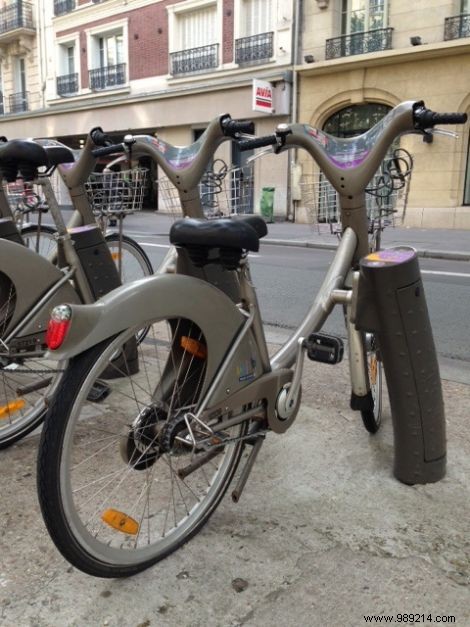
With upside-down saddles eliminated, spot flat tires, dragging chains, bent handlebars, or missing pedals from afar. This quick visual filter narrows your options efficiently before close inspection.
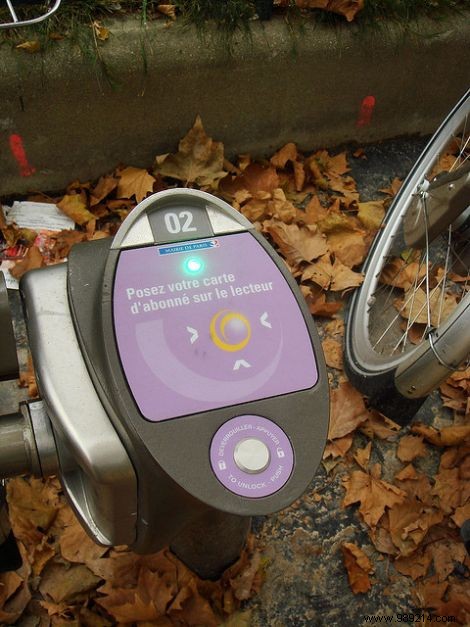
I've lost time eyeing perfect-looking bikes only to find a red terminal light. Now, I always check first: red light means locked Vélib—it won't release. Green? Proceed to the next check.
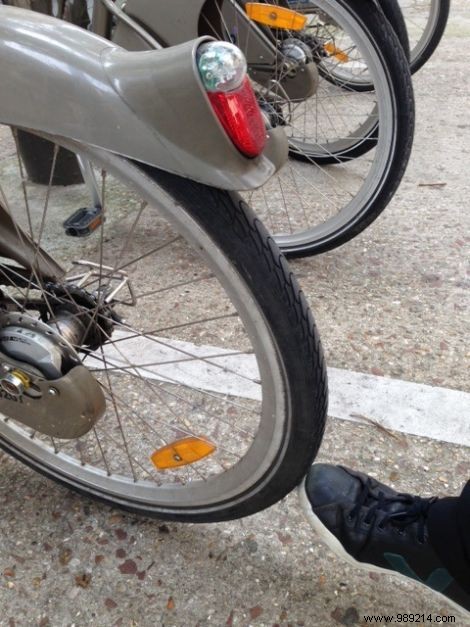
Well-inflated tires mean faster rides—physics at work. Press the front and rear tires by hand, or tap with your shoe toe (as shown) to avoid dirt. Essential for longer trips.
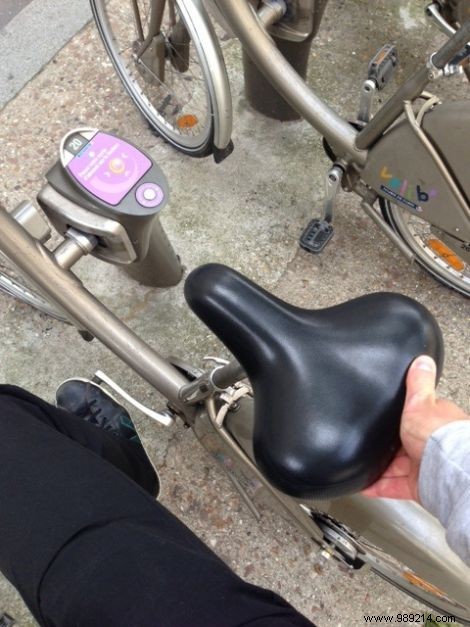
While docked, lift the saddle and pedal into the void (per photo). This detects chain damage or chain guard issues blocking pedals—a common culprit.
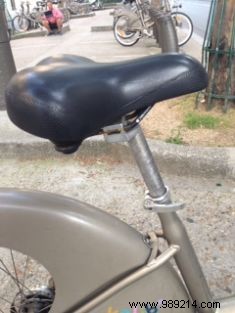
Match saddle height to your size for optimal pedaling. Test the seatpost clamp ("butterfly"). If stuck or sinking under weight, swap bikes—poor fit slows you down.
Swipe your Navigo to undock, then test immediately.
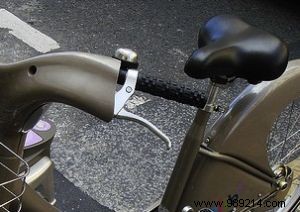
Squeeze both levers in the first meters. Faulty brakes? Dock it—riding brakeless in Paris traffic, especially bus lanes, is reckless.
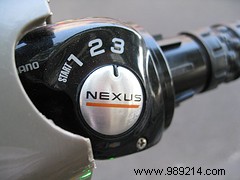
Many Vélibs stick in low gear (great for Montmartre hills). Confirm higher gears shift smoothly—otherwise, flats become slogs.
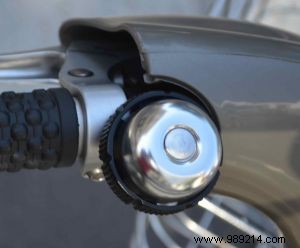
The bell has averted crashes, alerting oblivious pedestrians. Test with a "dring"—vital since buses ignore it.
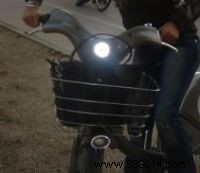
For evening/night rides, verify front and rear lights to signal drivers. If docking another, you have 5 grace minutes to swap without delay.
Spot a returning rider docking a bike? Ask if it runs well. If yes, grab it post-dock—no checks needed.
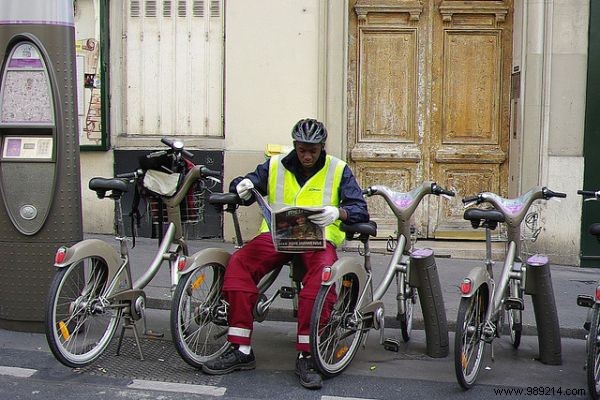
Practice makes these 8 checks take under 3 minutes, saving tens of minutes per trip—hours monthly for busy Parisians.
