As we dream of our next getaway, savor a preview right at home. Exploring a new destination awakens all your senses, especially through its cuisine and wines. Embark on a virtual journey across Portugal's seven wine regions to discover their rich diversity. Uncover the compelling stories behind each wine and anticipate stays at historic quintas, where you can join tastings, workshops, and grape harvests.
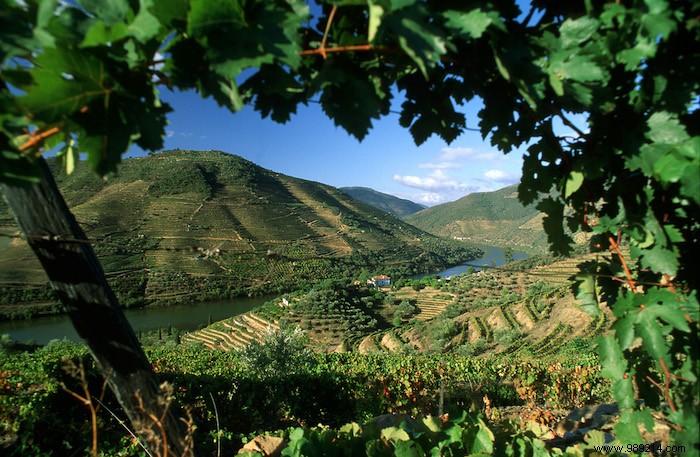
Douro | ©RCL-RuiCunha
Porto & Northern Portugal
Portugal's north shines with Douro Valley ports, Vinho Verde, and more. Vinho Verde, or 'green wine,' hails from this lush region, noted for its vibrant acidity and light alcohol. As spring warms up, it's the perfect refreshing sip.
Historically, rabelo boats carried port barrels down the Douro River to cellars in Vila Nova de Gaia, opposite Porto. Spot these iconic vessels on the river today. Port varieties include White and Pink for aperitifs, Ruby and Tawny with desserts, and Vintage for celebrations—all ideal for a tasting. A glass of port brings Portugal's charm home. For immersion, book a stay in a wine barrel in this region!

Bairrada | ©TdP
Centro de Portugal
Dão wines from this region rival Burgundy, grown in highlands from 200m to 1,000m in Serra da Estrela. Cool nights yield slow ripening, high acidity, and intricate aromas. Touriga Nacional, Portugal's noblest grape, stars here. Stay at stunning vineyards, where hosts share production insights and Dão history.
To the west, Bairrada's mild maritime climate produces acclaimed espumante sparkling wines, thanks to its ideal acidity.
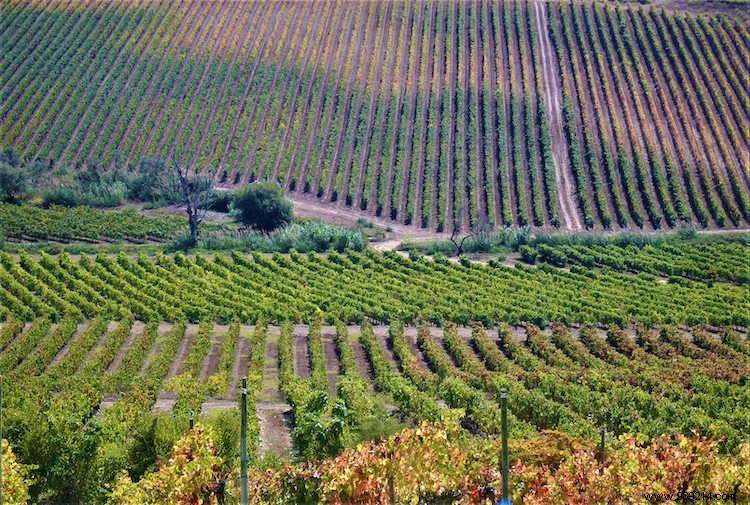
Vineyard region Lisboa | ©TdP
Lisboa Once called Estremadura, this area west and north of Lisbon benefits from heat and winds for superb reds, pairing perfectly with seafood like Amêijoas à Bulhão Pato.
Local favorite ginjinha—a cherry liqueur akin to Dutch jenever—is served as a shot with a cherry. Nearby Península de Setúbal's Serra da Arrábida yields sweet Moscatel de Setúbal, requiring over 85% Muscat grapes.
Borba vineyard | ©CM Borba
Alentejo
Along the Tejo (Tagus) River, Alentejo boasts vineyards, olive groves, cork oaks, and Lusitano horses. Tejo reds are rich, fruity staples on menus nationwide. Each Alentejo wine tells a unique tale—like Vinho de Água, aged 6-8 months at 30m depth in Alqueva reservoir.
Roman legacy endures in ruins and massive talha jars holding up to 1,000 liters of vinho da talha, crafted traditionally. Indulge in vinotherapy: grape-based beauty and massage treatments by expert vinotherapists.
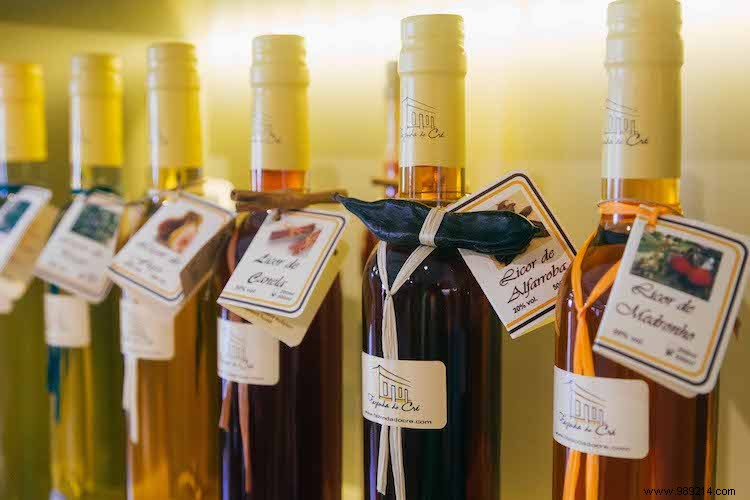
Liqueurs from the Algarve | ©Algarve Tourism Bureau
Algarve
Winemakers cherish Portugal's sunny south for its steady climate and 3,000+ annual sunshine hours. Four DOCs—Lagos, Portimão, Lagoa, Tavira—produce under-the-radar wines worth seeking. Try unique liqueurs (20% ABV) from carob, figs, or almonds as aperitifs, digestifs, or in cocktails.
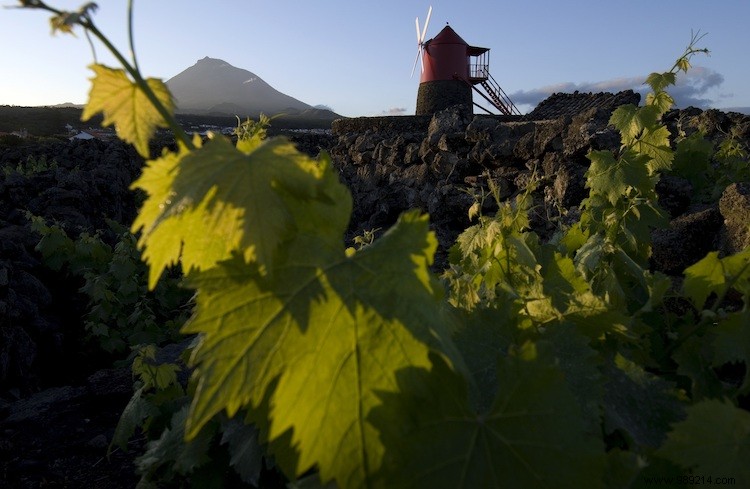
Pico | ©Antonio Sá
Azores This nine-island archipelago enjoys mild year-round weather. Vines thrive in volcanic rock and soil, yielding mostly whites. On Terceira's Biscoitos, lava walls protect vines; Pico's 15th-century vineyards earned UNESCO status in 2004. Vinho do Pico's aroma once perfumed Russian Tsars.
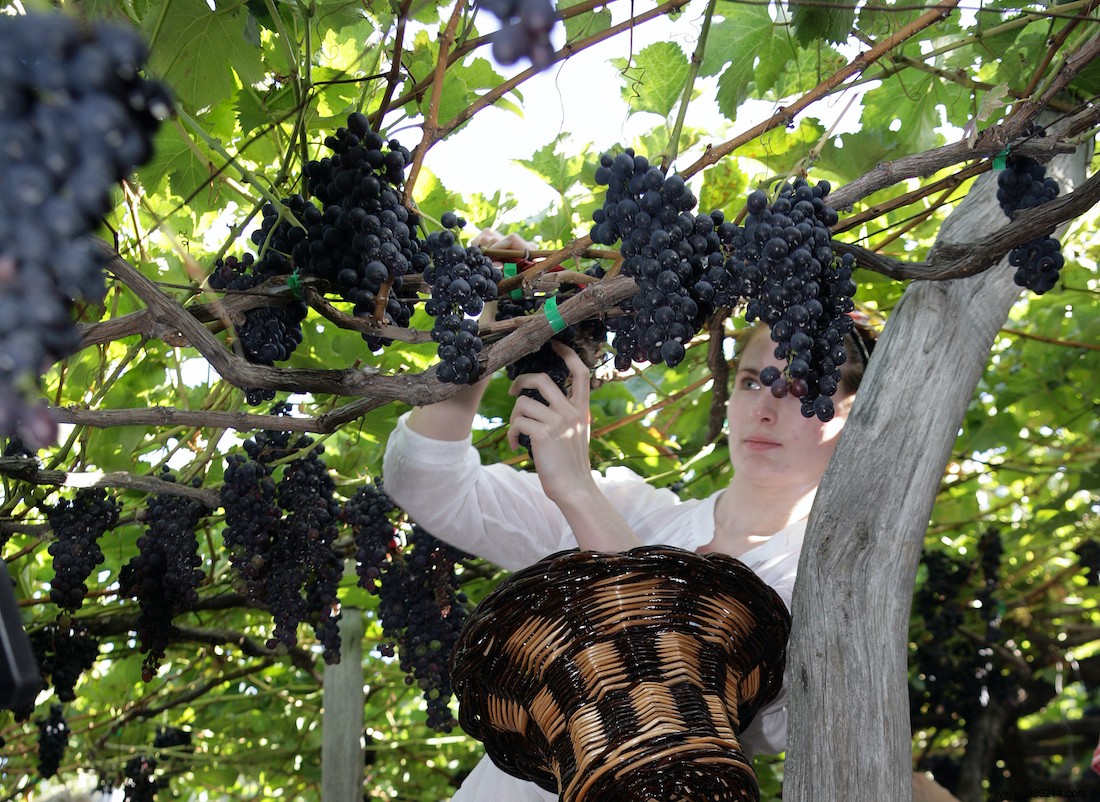
Wine Festival Estreito de Camara de Lobos | ©AP Madeira
Madeira
Madeira wine, this island's namesake nectar, gained fame toasting U.S. independence in 1776 and in Shakespeare's praise. Key varieties: Sercial (dry aperitif, light/fragrant), Verdelho (golden, meal-friendly), Boal (semi-sweet, velvety between courses), Malvasia (sweet, aromatic dessert wine).
Join September's harvest festival in Estreito de Câmara de Lobos, 12km from Funchal—pick grapes or parade in this ancient tradition.
