On February 1, Ireland honors St. Brigid's Day, rooted in the ancient pagan festival of Imbolc. This marks spring's arrival after winter's grip, heralding abundance, crop sowing, lambing, and celebrating fertility alongside Brigid's divine femininity. In ancient times, candles and fires symbolized returning sunlight and purification—traditions echoed in today's spring cleaning.
Discover these five key facts about St. Brigid's Day:
1. St. Brigid, Patron Saint of Ireland
One of Ireland's three patron saints—alongside St. Columba and St. Patrick—St. Brigid was freed from slavery by the King of Leinster. She requested land for a monastery in County Kildare, measured by her mantle. The king agreed, and miraculously, her followers stretched it across the plains. A relic of her cloak is preserved at St. Salvator's Cathedral in Bruges.
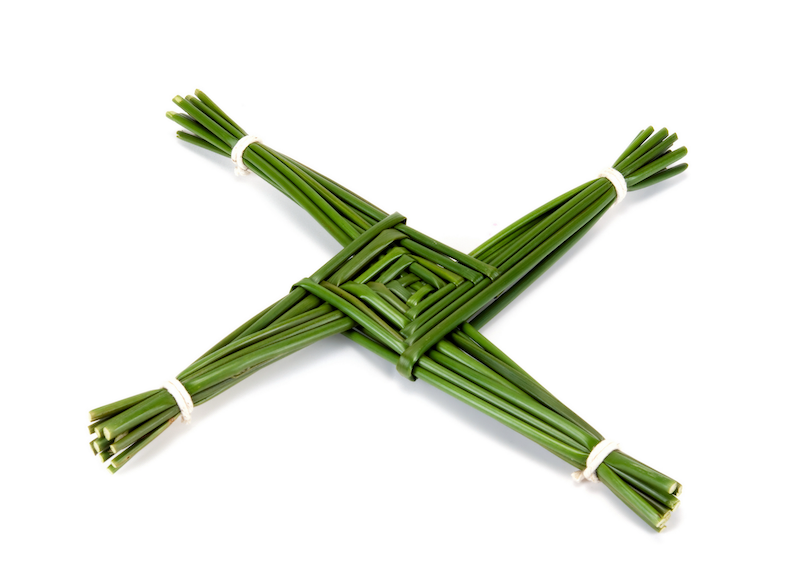
2. Brigid's Cross
This iconic, lesser-known Irish symbol is woven from wild rushes and hung over doorways for protection. Its origins trace back to ancient times, much like St. Brigid herself. Crafting Brigid's Crosses remains a cherished spring tradition in Ireland.
3. Kildare: St. Brigid's Pastures
County Kildare's plains are still called St. Brigid's Pastures. Renowned for grand country houses, stunning gardens, premier golf courses, and as Ireland's horse racing hub, it's home to the National Stud.
4. Irish Women's Day
As an iconic patron saint and symbol of empowerment, St. Brigid inspires celebrations of trailblazing Irish women. Modern observances highlight influential figures shaping Ireland's story, as featured in dedicated St. Brigid's Day videos.
5. Brigid's Garden
Nestled in Roscahill, County Galway, Brigid's Garden is a enchanting family attraction with four gardens representing Celtic festivals: Samhain, Imbolc, Bealtaine, and Lughnasa. Reflecting Ireland's western landscapes, these wildlife havens feature ancient reconstructions, paths, and willow sculptures.
