Cabin baggage, the carry-on you take onboard, is invaluable for long flights, keeping essentials like snacks, magazines, your phone, laptop, water bottle, and documents within easy reach.
It's also ideal for short trips to avoid checking larger suitcases, or when flying budget airlines that charge extra for hold luggage. However, strict rules on size, weight, and contents apply across airlines.
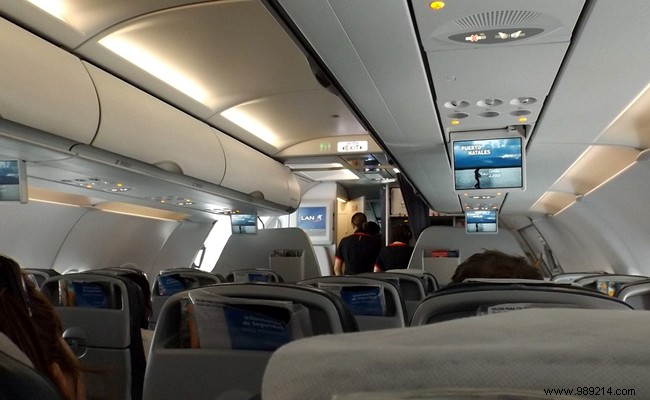
No universal standard exists, but on full-service airlines, dimensions typically max out at 55 cm high, 35 cm wide, and 20 cm deep—including handles and wheels. Combined weight with a personal item (like a handbag, laptop bag, or camera) usually ranges from 12-18 kg. Options include small suitcases, duffels, or backpacks.
Always verify your airline's specifics, as low-cost carriers often impose stricter limits. Exceeding them could mean hefty fees at the gate. Note connections with other airlines, as rules may differ.
Cabin items face different security checks than hold luggage. Airlines must inform passengers of rules, and some enforce tighter restrictions for space or safety, requiring cabin bags in the hold. Certain cabin-allowed items like spare lithium batteries, e-cigarettes, and power banks are banned in checked luggage.
For security, sharp objects (knives, box cutters, razors), weapons, flammables/explosives (also hold-prohibited), tools (drills, saws, hammers), and stun devices (e.g., pepper spray) are strictly banned from the cabin.
Liquids must fit in a single, clear 1-liter (approx. 20x20 cm) plastic bag, with each container (gels, perfumes) ≤100 ml. Baby products are exempt.
For a full, categorized list, download the DGAC's Airbag app—your go-to pre-flight checklist from France's civil aviation authority.
