Japan seamlessly blends ancient traditions with modern innovation, offering architectural marvels and stunning natural wonders. With so many highlights, choosing where to go can be overwhelming. Drawing from years of exploring Japan, here's our expert-curated list of 10 essential must-see places.
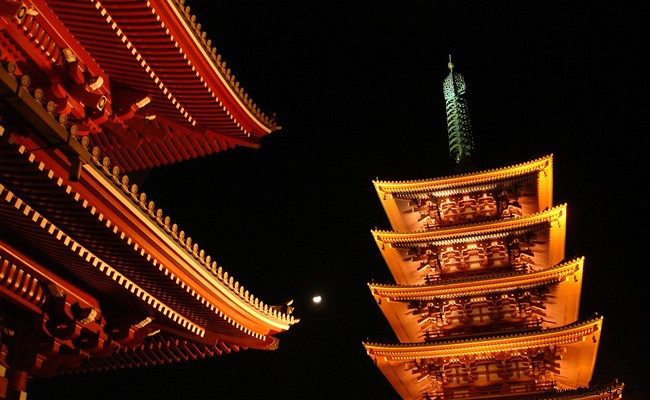
Senso-ji stands as Tokyo's oldest and most iconic Buddhist temple, dating back to the Edo period (1603-1867) during the Tokugawa shogunate. Dedicated to Kannon, the goddess of mercy (also known as Asakusa Kannon), it's nestled in the vibrant Asakusa district, alive with lantern-lit shops preserving Japanese heritage. Visit during the lively Sanja Matsuri festival in May, and use it as a gateway to Tokyo's diverse neighborhoods—from sleek modern skyscrapers and the world's largest fish market to trendy streets buzzing with youth culture.
Completed in 1920 to honor Emperor Meiji, this grand Shinto shrine is accessed via Yoyogi Park's ancient forest and a towering torii gate. In central Tokyo's urban hustle, it offers a serene escape. On weekends, you might witness authentic traditional weddings, providing a genuine glimpse into Japanese customs.
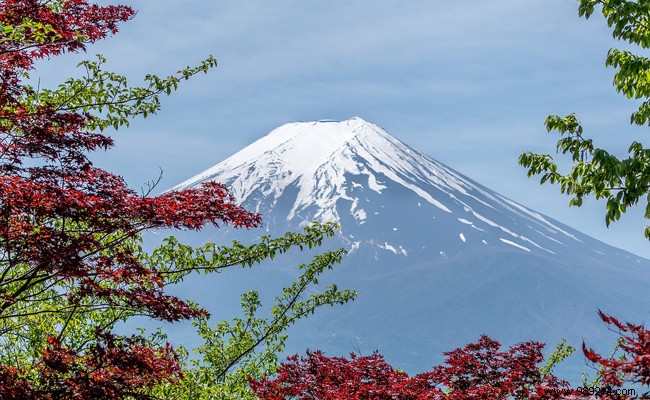
Southwest of Tokyo in central Japan, Mount Fuji rises to 3,776 meters as the nation's highest peak and an active volcano. Its symmetrical, snow-capped cone is instantly recognizable and sacred. Pilgrims and hikers flock here annually, with the official climbing season spanning July and August for summit treks.
Just an hour by train from Tokyo, Hakone offers a peaceful retreat along Lake Ashinoko with prime views of Mount Fuji. Renowned for its premier onsen hot springs in northern Japan, it's a top getaway spot, drawing visitors seeking relaxation amid nature.
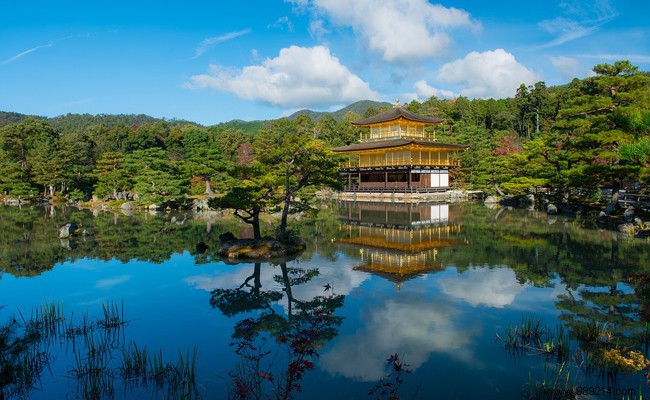
Known as the Golden Pavilion, Kinkaku-ji is Kyoto's most-visited Buddhist site and a UNESCO World Heritage gem. Its top two floors shimmer with gold leaf, reflected beautifully in an adjoining pond within a classic Japanese garden—making it an unmissable Kyoto highlight.
Near Kyoto, ancient Nara—Japan's first capital—captivates with wonders like Todai-ji Temple, the world's largest wooden structure housing the massive bronze Great Buddha, the biggest of its kind. Stroll Nara Park to encounter friendly deer and robed monks. Plan 1-2 days for this enriching visit.
A spiritual cornerstone of Japanese Buddhism and UNESCO-listed, Mount Koya hosts over 100 active temples in a timeless setting filled with monk chants. Explore the vast Okunoin Cemetery with 200,000+ tombs under ancient cedars, and the headquarters Kongobuji temple, drawing a million pilgrims yearly. Reach it by scenic funicular, and consider an overnight temple stay for immersion.
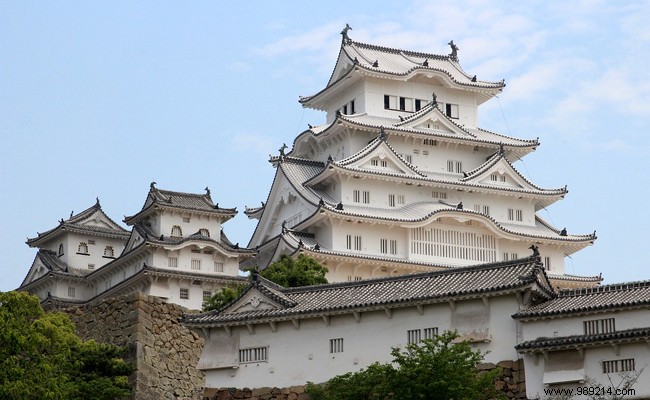
This UNESCO World Heritage site is among Japan's grandest medieval castles, famous for its elegant white roofs. About 2 hours 15 minutes from Kansai Airport, it's a must-visit—though skip summer due to intense heat.
Arashiyama's towering bamboo forest is one of Japan's most enchanting natural spectacles. The groves create a surreal, towering canopy. Nearby, the area dazzles with cherry blossoms in spring and fiery maples in fall.
In the Seto Inland Sea, Naoshima has transformed from a quiet fishing isle into a modern art haven, thanks to architect Tadao Ando. Cycle around to discover world-class museums, sculptures, and seaside rural beauty.
