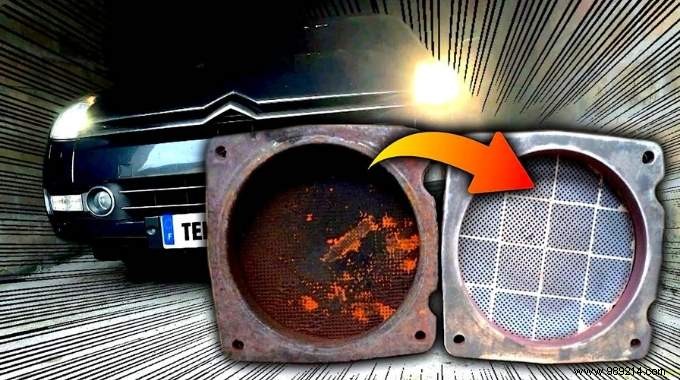
As a seasoned diesel mechanic with years of hands-on experience, I'll guide you through cleaning your diesel particulate filter (DPF) yourself.
The DPF is a crucial engine component that captures harmful fine particles from exhaust gases.
DPF failures are common in diesel vehicles, often leading to hefty garage bills of €1,500–€4,000 for replacement.
Fortunately, with proven DIY methods, you can restore it to like-new condition without a mechanic.
Discover this straightforward technique to clean your DPF effectively at home. Watch the process:
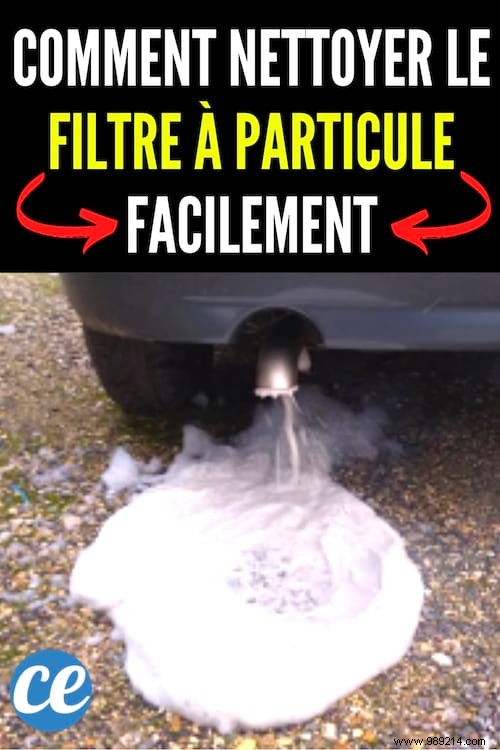
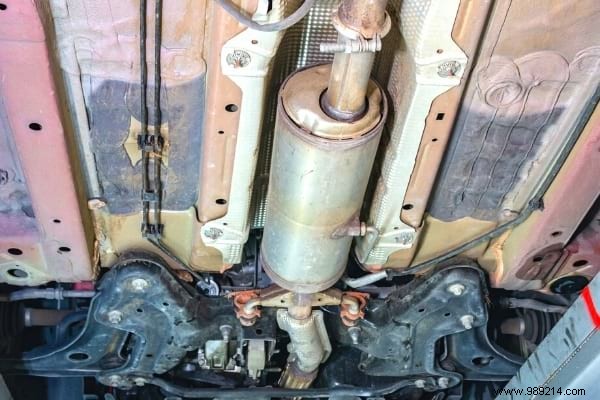
Since 2011, Euro 5 standards have required all diesel vehicles in Europe to include a DPF, reducing particulate emissions by 80%.
The DPF traps soot particles before they exit via the exhaust, protecting air quality and public health.
While effective at cutting pollution, a clogged DPF can impair performance—I'll explain how below.
Cleaning your DPF prevents costly replacements, extends vehicle life, improves exhaust flow, and lowers fuel consumption—especially valuable at today's fuel prices.
It also ensures smooth vehicle inspections without issues.
Signs include engine shaking, power loss, or unusual fuel consumption spikes. Act promptly, as a lit DPF warning light or limp mode may require professional replacement.
Short urban trips exacerbate clogging since the DPF doesn't reach the high temperatures needed for self-cleaning (regeneration). Accumulated soot reduces power and risks stalling.
Use a dedicated DPF cleaning additive. Pour the recommended dose into your fuel tank during refueling.
This lowers the combustion temperature of soot particles, enabling effective cleaning from within without high engine heat.
It dissolves and removes built-up soot, rejuvenating your DPF.
Yes, passive regeneration cleans your DPF on the road: Drive at 3,000 RPM for about 10 km on a highway or main road, avoiding stops.
The elevated temperature burns off soot naturally.
Note: If the DPF light is on, consult a professional. Active regeneration requires a mechanic. Tampering with or removing the DPF is illegal, risking fines or vehicle impoundment.
Now you can clean your DPF at home—simple, quick, and effective for all diesel makes and models like Tiguan, Picasso, Astra, Golf, Qashqai, Audi, Mercedes, and Opel.
No garage visits required!
