With royal intrigue at an all-time high—sparked by milestones like the birth of Prince Archie and captivating series such as The Crown and Victoria—we've uncovered Europe's 10 most popular royal palaces. Our analysis draws on Google search volumes and Instagram photo uploads to calculate a definitive popularity score for each. This data-driven ranking offers essential inspiration for travelers seeking to experience royal heritage firsthand.
1. Buckingham Palace, UK
Arguably the world's most iconic royal residence, Buckingham Palace tops our list with 5.4 million Google searches and 1.1 million Instagram photos. Serving as the official London home of British monarchs since 1837, it features 19 state rooms, 52 royal and guest bedrooms, and 188 staff rooms. Open to visitors each summer, it also hosts 50,000 guests annually for state banquets, lunches, dinners, receptions, and garden parties.
2. Windsor Castle, UK The Queen's residence and the world's oldest and largest occupied castle, Windsor boasts over 900 years of history. Founded by William the Conqueror in the 11th century, it has housed 39 monarchs and welcomes visitors year-round.
3. Kensington Palace, UK Once Princess Diana's home, Kensington now shelters royals like the Duke and Duchess of Cambridge with their family, and Princess Eugenie with Jack Brooksbank. It was Queen Victoria's birthplace and childhood residence, serving young royals for over 300 years. Highlights include the King's and Queen's State Apartments and the Sunken Garden—a perfect way to trace royal footsteps.
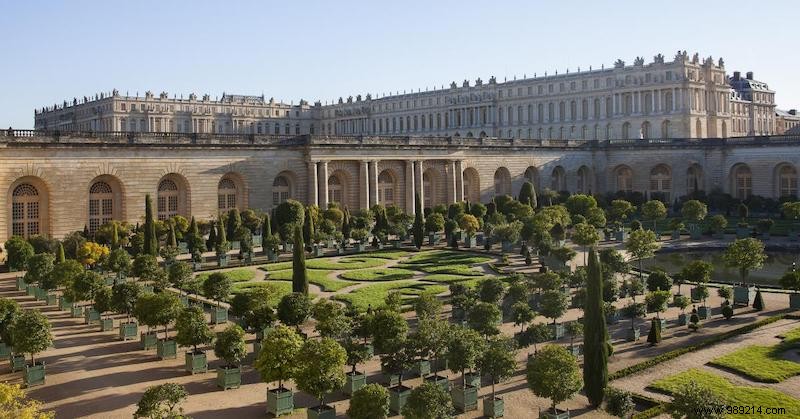
4. Palace of Versailles, France
Central to French royal history, Versailles saw Louis XVI flee during the 1789 Revolution, ending its role as a king's residence. Transformed in 1837 into the Museum of the History of France, it holds over 60,000 works and is a UNESCO World Heritage Site. Explore lavish spaces like the Hall of Mirrors, Royal Opera, Marie Antoinette's apartments, and King's Chambers.
5. Hampton Court Palace, UK
Linked to King Henry VIII and his six wives, this palace showcases Henry's Great Hall, the Haunted Gallery, Tudor kitchens, the Baroque additions for William III and Mary II, and expansive gardens.
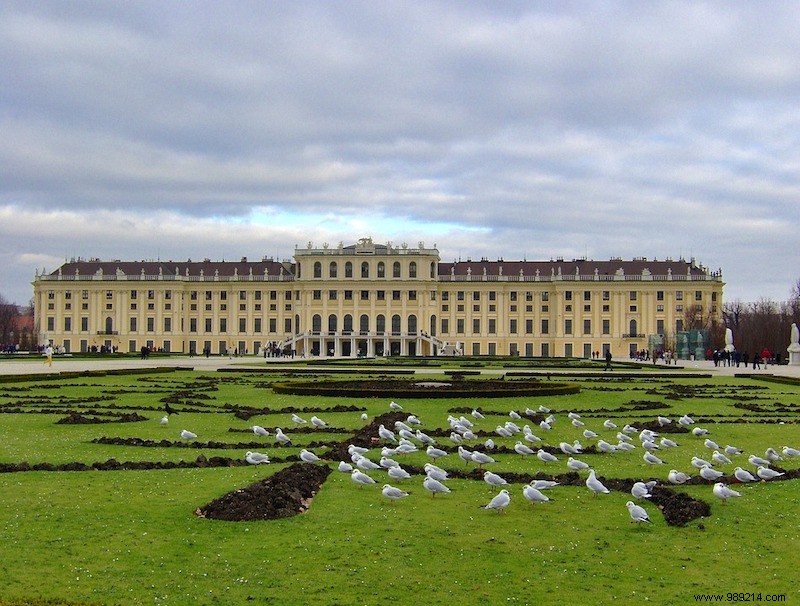
6. Schönbrunn Palace, Austria
A UNESCO World Heritage Site and Austria's top attraction, Schönbrunn was the Habsburgs' summer residence for nearly 650 years, home to Maria Theresa, Franz Joseph, and Empress Elisabeth. Beyond imperial rooms and gardens, it ties to Mozart's childhood performance, Napoleon's conferences, and the end of the monarchy.
7. Palacio Real, Spain
Madrid's Royal Palace, the largest functioning royal residence in Europe at 135,000 square meters and 3,418 rooms, hosts state ceremonies though no longer a family home. Built from 1734 on ninth-century foundations, it offers access to grand halls, throne room, armory, pharmacy, and gardens.
8. Buda Castle, Hungary
This historic complex in Budapest, a UNESCO World Heritage Site, now houses the Hungarian National Gallery and Budapest History Museum. Statues like that of Prince Eugene of Savoy commemorate key events, such as the liberation from the Turks.
9. Château de Fontainebleau, France
55 km from Paris, this second French entry and UNESCO site was inhabited continuously for seven centuries by monarchs from Louis VII to Napoleon III. Spanning 1,500 rooms and 130 hectares of gardens, it provides deep insights into French history and architecture.
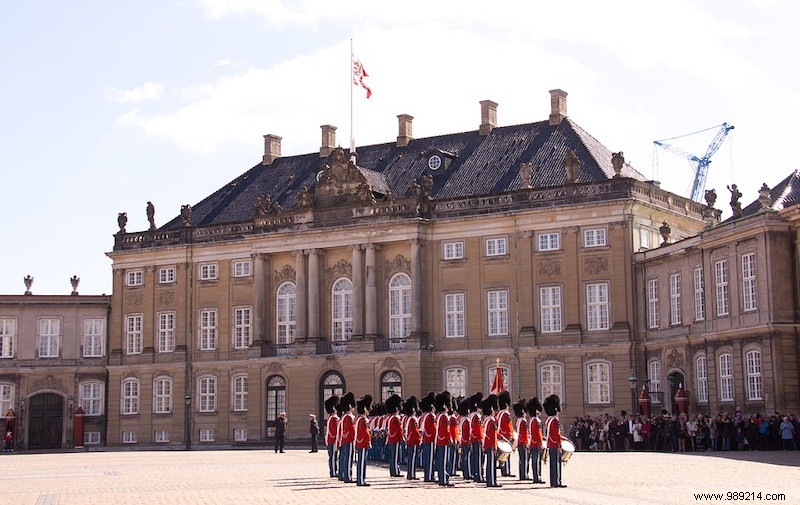
10. Amalienborg, Denmark
Residence of Denmark's royal family—one of the world's oldest monarchies—Amalienborg comprises four palaces: Christian VII, Frederick VIII, Christian IX, and Christian VIII. Originally for aristocrats, it became royal in 1794 after Christiansborg burned. From June to August, tour the representation rooms, Gala Hall, and state chambers.
