Iceland's landscapes blend breathtaking beauty with dramatic contrasts of fire and ice, creating a uniquely captivating 'Land of Fire and Ice.' Beyond the famous attractions, these eight lesser-known natural wonders offer authentic, unforgettable experiences for seasoned adventurers and nature lovers alike.
In Iceland's southern highlands, Landmannalaugar stuns with rhyolite mountains glowing in reds, pinks, and yellows. A haven for hikers, it features trails ideal for day hikes or multi-day treks in summer. Always verify road access beforehand, and pack your swimsuit for the inviting natural hot springs.
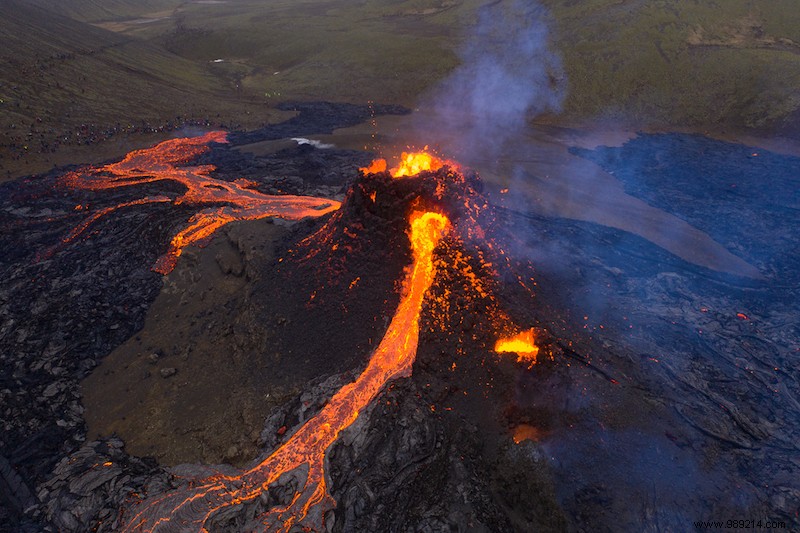
Near Reykjavík—just 30 kilometers away—Fagradalsfjall has delivered a mesmerizing eruption on its slopes, the first in this region for 800 years. While Iceland sees eruptions every three to five years, this event stands out as a rare, up-close display of volcanic power.

Tucked in Þórsmörk National Park's southern highlands, Stakkholtsgjá gorge features sheer 100-meter rock walls enclosing streams, caves, lush vegetation ledges, and narrowing chasms. The 2-km trail culminates at a stunning waterfall. Reach it via 4x4 or guided bus over rugged highland tracks—well worth the effort.
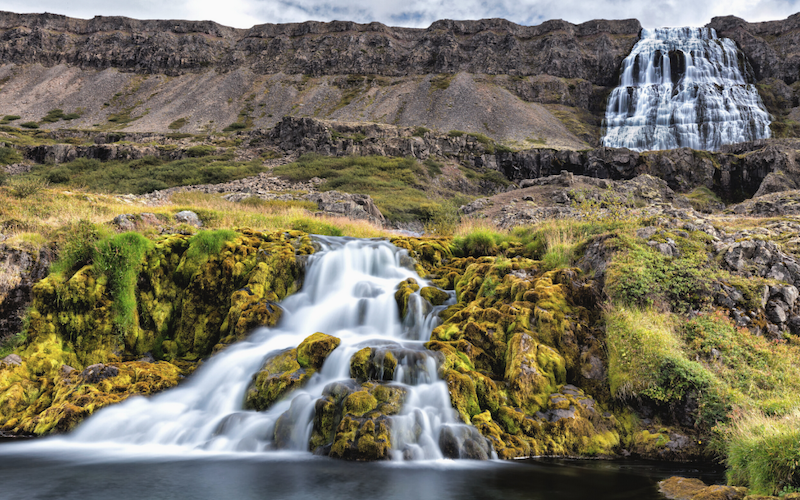
In the remote Westfjords, Dynjandi—nearly 100 meters tall and 30 meters wide at the top—is the crown of seven waterfalls totaling 200 meters. It mirrors the fjord's shape, splitting into dozens of cascades, especially dramatic during snowmelt but impressive year-round.
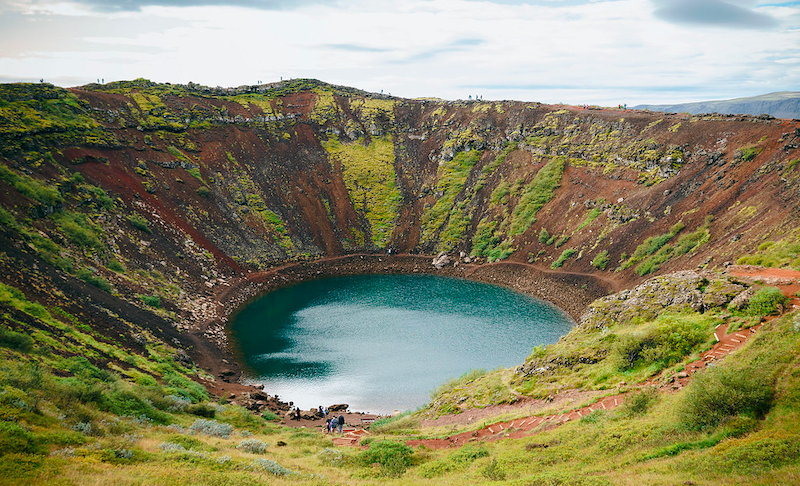
On the Golden Circle, Kerid crater lake showcases vivid blue waters against red volcanic rock and green vegetation. At 55 meters deep and spanning 0.05 square kilometers (about seven football fields), its groundwater-fed depths range from 7 to 14 meters—a striking volcanic marvel.
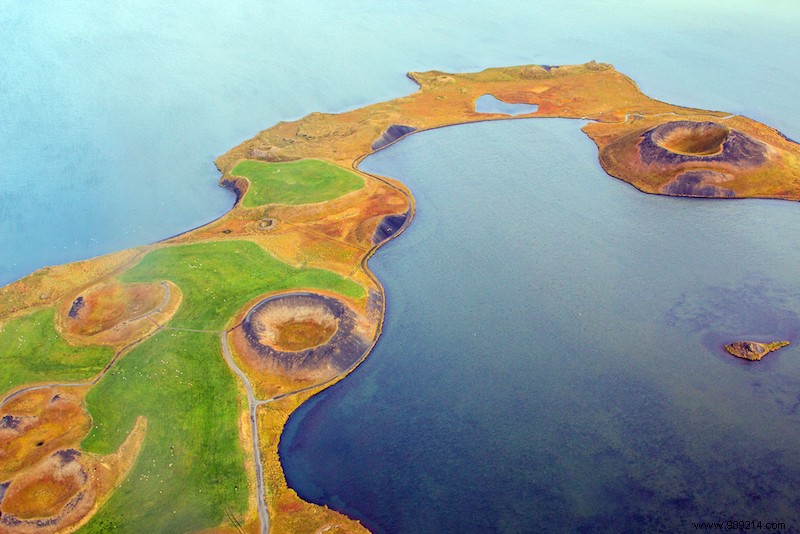
Northeast Iceland's Lake Mývatn region reveals surreal sights: bubbling mud pots, geothermal steam vents, waterfalls, craters, and caves. Iceland's fourth-largest lake at 36.5 square kilometers (roughly 5,112 football fields), it's shallow with 50 islands, abundant fish, birds, and flora—protected as a nature reserve.
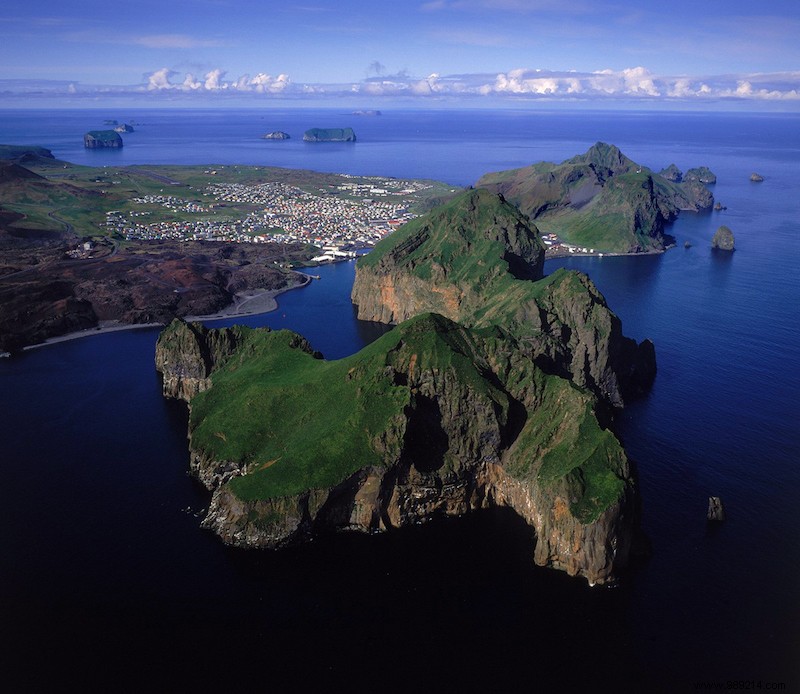
Ten kilometers south of Iceland, this volcanic archipelago of 15 islands hosts more puffins than people. Famous for major eruptions and dramatic basalt columns riddled with caves, it's often hailed as one of Iceland's most scenic treasures.
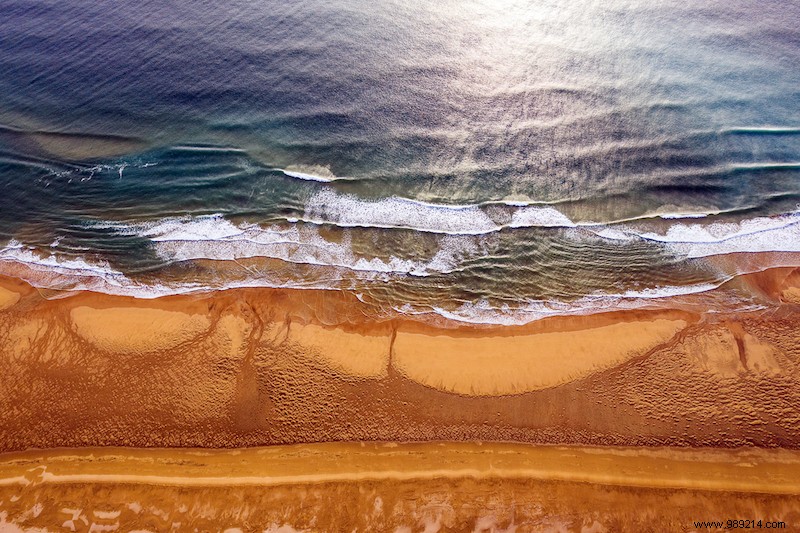
In the Westfjords, Rauðasandur ('red sand') stretches 10 kilometers in shifting hues of red, orange, yellow, or brown, influenced by weather, mussels, and light. A rare departure from Iceland's black-sand norm, it delivers a truly unique coastal experience.
