Accidents can strike anywhere, even on international trips. While handling them in France feels familiar, overseas incidents demand tailored responses. Learn the right steps, key contacts, and essential pre-trip preparations from trusted travel authorities.
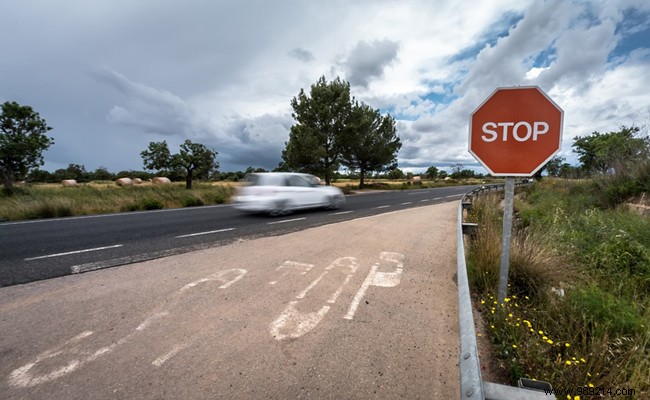
To respond effectively to an accident overseas, proactive preparation is key. Start by researching risks related to health, transport, and safety in your destination. The French Ministry for Europe and Foreign Affairs offers detailed "Advice for Travellers" on its website, covering country-specific hazards in Europe and beyond. Use this to plan safer routes, avoiding high-risk areas, and noting weather threats like cyclones or monsoons.
Next, familiarize yourself with local laws, especially road rules if driving. Pack your vehicle registration, international insurance card, and driver's license. Verify your insurance coverage for abroad incidents and consider supplemental policies tailored to your destination. For trips to EU countries, Norway, Iceland, Switzerland, or Liechtenstein, carry your European Health Insurance Card (EHIC) to minimize upfront medical costs or ensure reimbursements up to French rates upon return. Outside the EU, check social security details via the Center for European and International Social Security Liaisons website.
If injured or needing aid, first dial local emergency services. In Europe, call 112 from any phone to reach police, fire, or ambulance services—also available in Switzerland and South Africa. Notify your loved ones promptly, then contact your assistance provider or health insurer for guidance on next steps.
Reach out to the nearest French consulate or embassy for support, including French-speaking doctors or clinics. They can connect you with family or liaise with your insurer. Note their details (address, phone, emergency line, email) before departure. Victim support lines like 116 006 in Europe offer psychological aid, rights info, and referrals to local approved organizations, per the Ministry of Justice.
For accidents or assaults, file a police report locally to support investigations, trials, and compensation claims.
