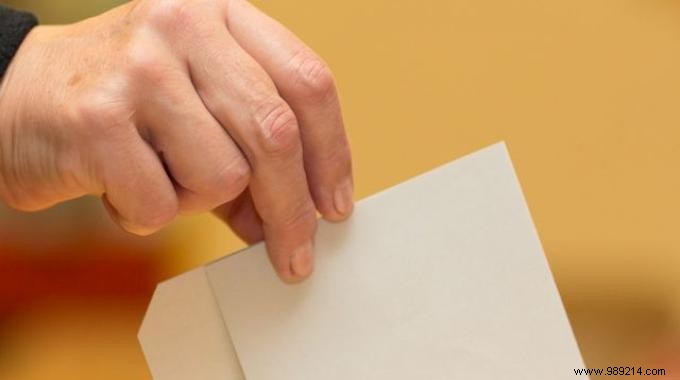
A former Belgian minister is advocating a bold reform: replacing elected senators with everyday citizens chosen by lottery. This seemingly revolutionary idea echoes the ancient Greek roots of democracy.
Across the political spectrum, many share a common frustration: politicians and citizens often seem to inhabit parallel worlds.

In Belgium, this disconnect has sparked a groundbreaking proposal to restore democratic vitality through sortition – the random selection of representatives.
What if our leaders were chosen by chance? It's a concept that powered Athens at its peak, and now Peter Vanvelthoven, a former Belgian minister, wants to bring it back.

Vanvelthoven proposes filling all Senate seats with citizens drawn by lot. The straightforward process would work like this:
1. Draw 10,000 Belgian citizens over age 16.
2. Hold a comprehensive information session to outline the role.
3. Invite interested participants to express their willingness to serve.
4. Conduct a second lottery among volunteers.
5. Appoint the 150 senators from the finalists.
Not overly complex, right? These citizen-senators would serve one-year terms, proposing and debating legislation with real authority.

In France, Belgium, and most Western democracies, citizens elect representatives who then craft the laws – not a direct vote on policies.
This indirect system falters when politicians renege on promises, eroding public trust and engagement.
Vanvelthoven's model could narrow the citizen-politician divide, curbing party dominance and handing legislative power back to the people.
The debate is gaining traction in Belgium – the first such proposal from a senior European politician. With proven historical success, it's an idea worth testing. Could France be next?
