Winter poses serious challenges for drivers and vehicles alike—from frozen windshields and persistent fog to treacherous icy roads. As experienced mechanics and drivers know, proper preparation makes all the difference in staying safe and mobile.
These 12 battle-tested tips, drawn from years of real-world winter driving expertise, will help you tackle the season with confidence.
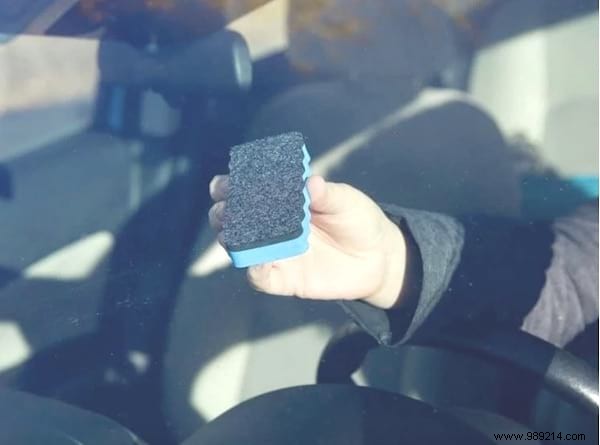
Windshields often fog up or frost over in winter, and standard defrosters can be too slow. Automotive pros recommend a chalkboard eraser—it's highly effective at wiping away condensation instantly and fits easily in your glove box.
Pro tip: Ensure your car's air recirculation is off. Drawing in cool, dry outside air prevents humidity buildup inside, speeding up defogging dramatically.
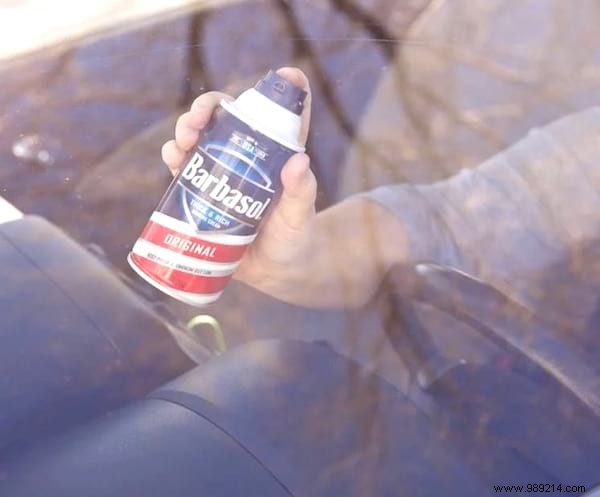
Prevention beats cure. Apply shaving foam to the inside of your windshield, then buff it off with a cloth. The thin oily residue repels moisture, mimicking commercial anti-fog treatments.
Other trusted methods: Hang a cat litter-filled sock overnight to absorb dampness; crack a window before shutting off the engine to introduce dry air; and avoid leaving wet bottles inside, as they boost interior humidity.
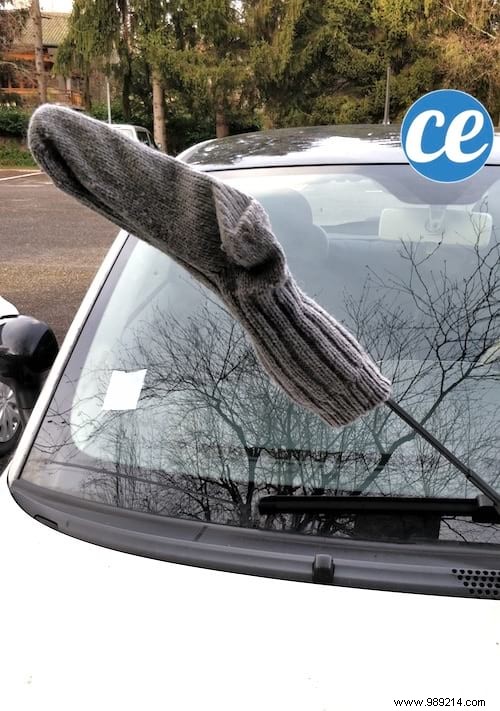
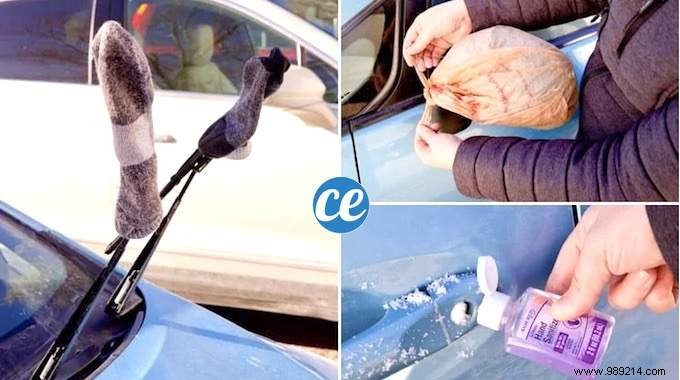
Stash an old pair of wool socks in your glove box—they're a winter multitool. Slip them over your shoes for extra traction when pushing a snowbound car. At night, cover your wiper blades with them to prevent freezing and damage, making morning startups easier.
In a pinch, like being stranded, use them to warm feet or hands for comfort and safety.
Switch to antifreeze washer fluid in winter—it quickly melts ice on wipers and thins light frost on glass. Skip store-bought versions; whip up your own with a simple recipe for cost savings and reliability. Discover the recipe here.
Misplaced your ice scraper? Grab a sturdy plastic spatula from the kitchen or an expired credit card. They're tough enough to clear frost without scratching glass—opt for plastic to avoid damage.
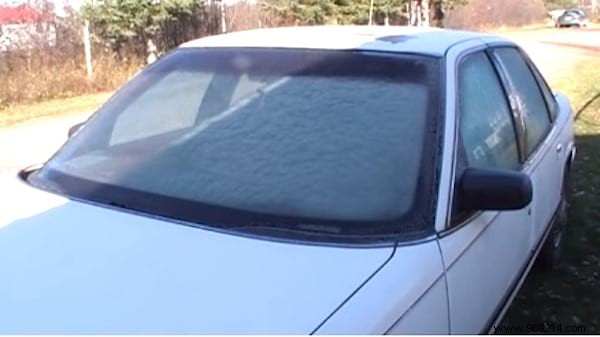
A smart parking hack: Face east overnight. Morning sunlight hits the windshield first, naturally melting frost and freeing wipers—no effort required. It's a reliable, no-cost strategy trusted by winter veterans.
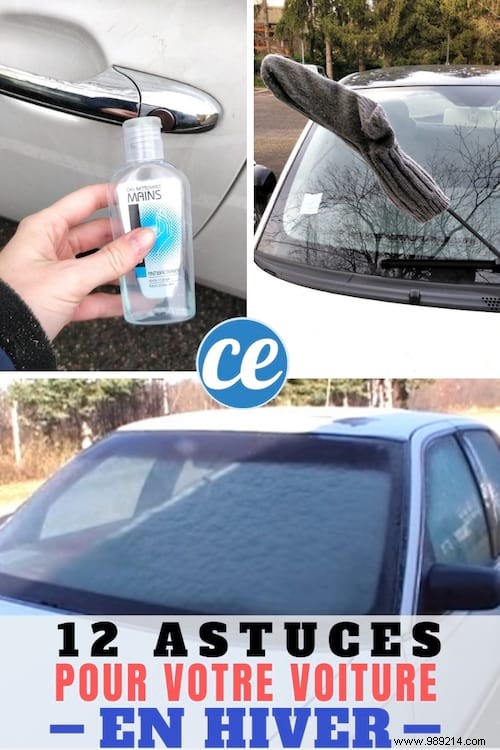
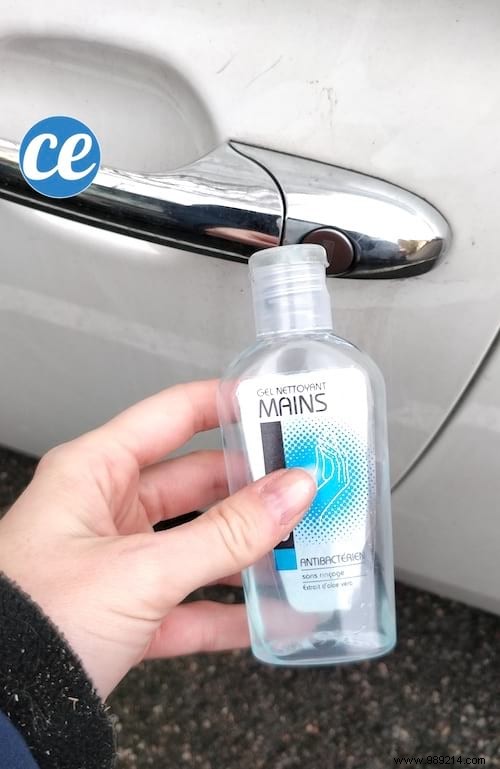
For iced locks, gently warm your key with a lighter (stay safe), then insert to melt ice inside. Alternatively, blow warm breath through a straw aimed at the keyhole, or dab on alcohol-based hand sanitizer—the alcohol dissolves ice fast.
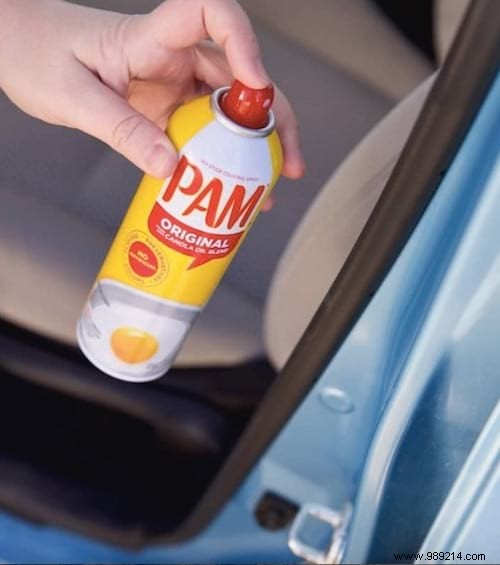
Avoid stuck doors with this mechanic favorite: Spray or brush cooking oil on rubber seals. It repels water, preventing freeze-ups like a waterproof barrier. Precision applicators make it mess-free.
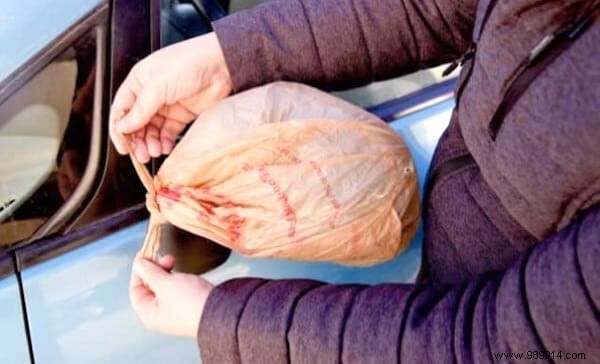
Shield side mirrors overnight with plastic bags, paper, or Ziplocs secured by rubber bands. This simple barrier keeps frost at bay for clear visibility come morning.
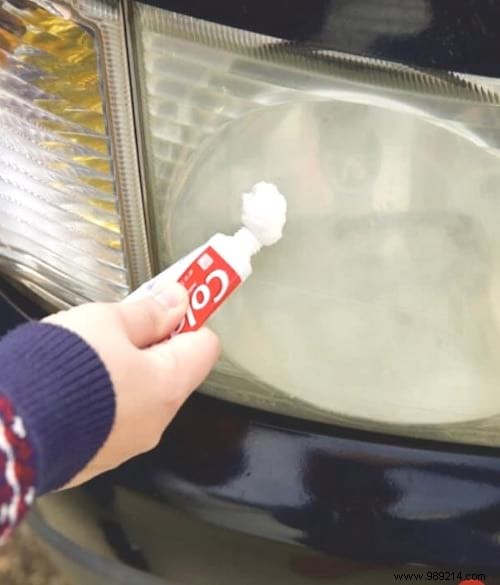
Visibility is critical in dark winter months. Get headlights professionally aligned and bulbs checked first, then polish with toothpaste: Apply, let sit 1-2 minutes, rinse with warm water. It removes oxidation for brighter beams affordably. Check out the trick here.
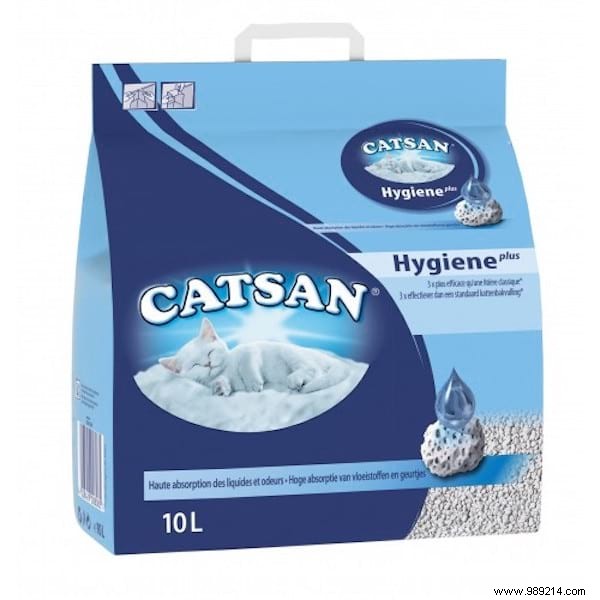
Stock cat litter bags in your trunk for traction. They add rear weight for better grip and, if stuck, sprinkle under spinning tires for instant escape. Sand or floor mats work similarly—retrieve mats after use. See tip here.
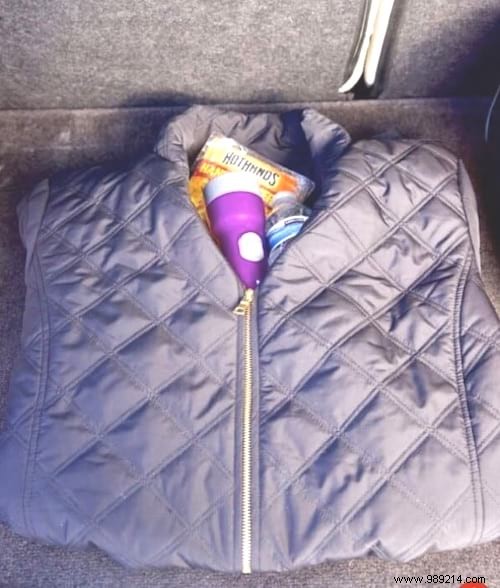
Winter weather is unpredictable—be ready with a trunk emergency kit. Pack a stuffed down jacket with socks, thermals, hat, gloves, scarf, and pants for quick layering.
Essentials include: flashlight, blanket, phone charger, hand/foot warmers, water, energy bars, multi-tool, foldable shovel, and snow brush.
Armed with these tips, face winter roads prepared and stress-free.
