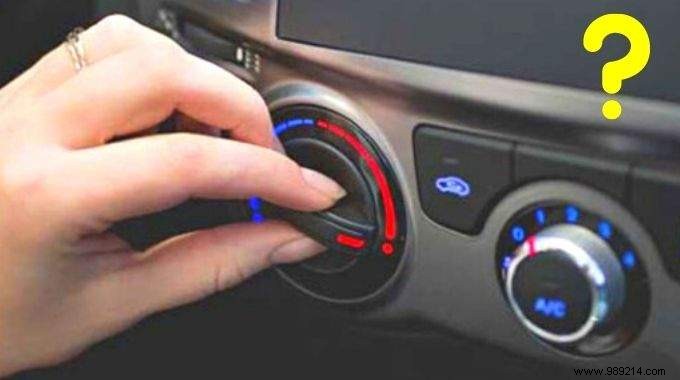
Curious if turning on your car heater spikes fuel use? With rising gas prices, every efficiency tip counts. But is this a myth or reality? As automotive experts with years analyzing vehicle systems, we'll break it down based on proven mechanics.
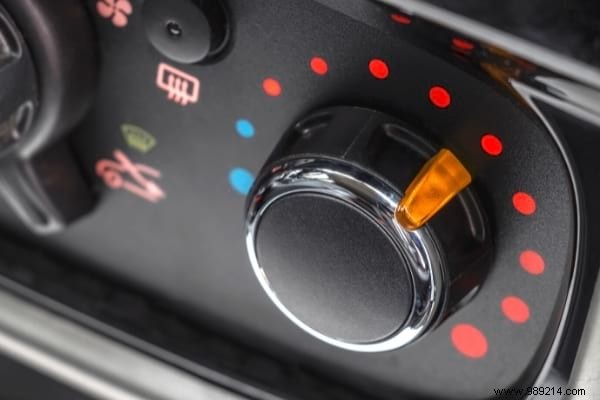
To grasp the fuel impact, first understand your car's heating system. It's straightforward and leverages engine heat efficiently.
Filtered air enters via the cabin (pollen) filter, passes the A/C compressor, then flows over the heater core radiator.
Contact with this hot radiator warms the air.
The system draws heat from the engine's cooling circuit water. Together, these create reliable cabin warmth, distributed as needed.
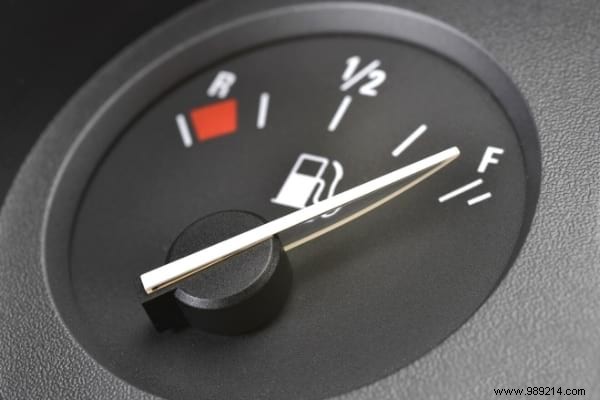
Notice—no fuel mentioned yet. Once warm, heating runs on the radiator and cooling loop alone.
Result: No extra fuel or electricity used by the heater itself!
Debunking another myth: On cold starts, it won't accelerate warmup much—just 1-2 minutes delay. You'll feel cold air first, but idling uses no additional fuel.
Exceptions where it does consume more:
- Air conditioning: Compressor requires engine power.
- Heated seats/steering wheel: Electric elements draw battery via the alternator.
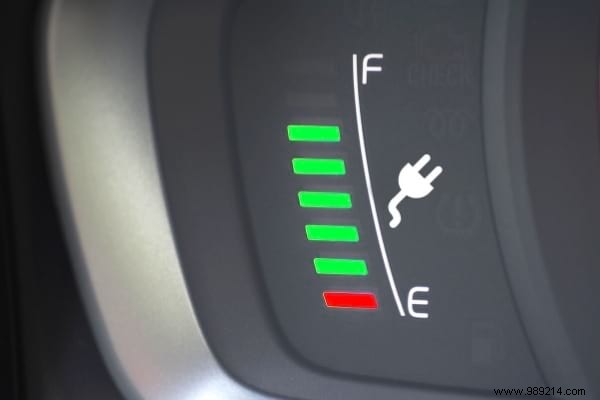
Gas vehicles? No fuel penalty, thanks to engine heat. Electric cars lack combustion heat, so they use dedicated tech.
Many feature heat pumps—like home units, extracting ambient calories, amplifying them for cabin heat. Efficient, yet it reduces range.
Others rely on electric resistance heaters—resistors converting battery power directly to heat. Simple but battery-intensive in cold conditions.
