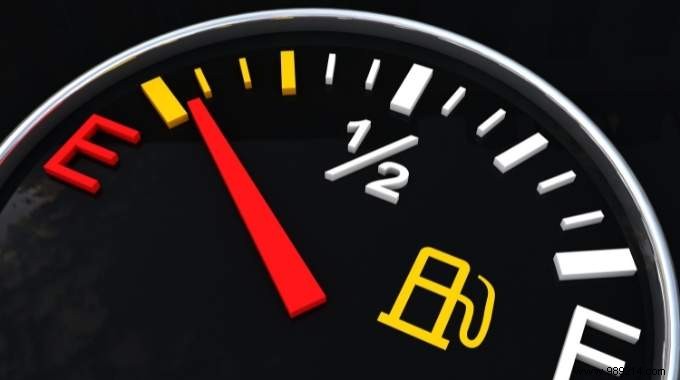
Today, I'll explain why driving on reserve fuel is a bad idea, drawing from my own experience with costly repairs after pushing it too far.
Like many drivers, I've often delayed refueling out of laziness, relying on the fuel gauge. But I've learned the hard way that the risks to your engine are serious and expensive.
With hands-on experience fixing these issues, here's why you should refuel well before reserve. Watch:
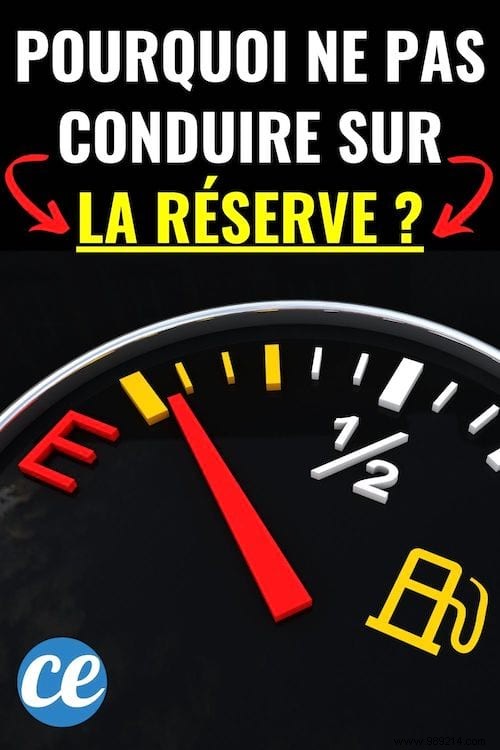

Modern vehicles feature advanced technology, but fuel gauges aren't infallible. Accuracy can vary with fuel type, road slope, and driving habits.
Waiting until the last moment risks running dry—dangerous on highways, stressful, and potentially fine-worthy.
Running out can damage engines without a priming pump, needed to restart after emptying. If absent, don't force it; call a mechanic.
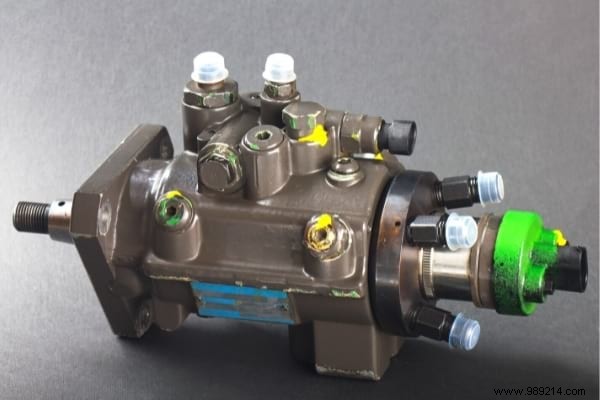
Frequent reserve driving starves the fuel pump of liquid fuel.
Your engine shifts to vapor, causing power loss, inefficiency, and eventual pump damage.
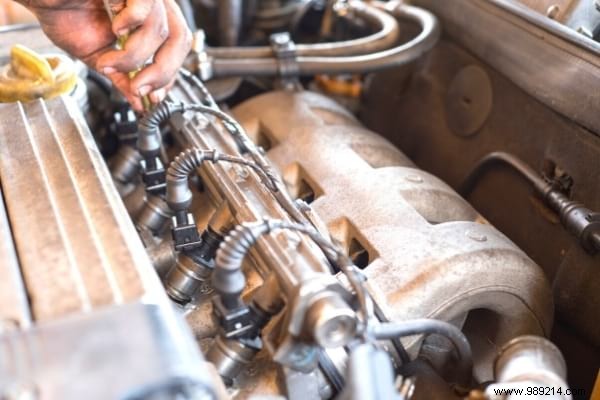
Impurities settle at the tank bottom over time, often from gas station fuel.
On reserve, this debris gets drawn in, clogging injectors—worse in diesels due to heavier fuel.
Injector replacement is pricey; prevention is key.
Diesels may need tank purging after running dry—added expense.
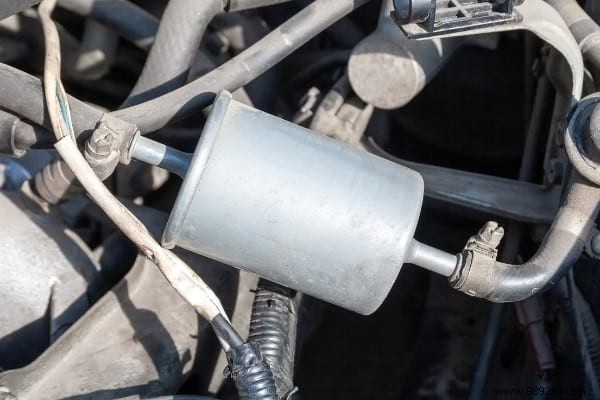
Regular reserve use accelerates filter wear: normally every 30,000 km, but drops to 15-20,000 km.
Not cost-effective long-term.
Now you know why reserve driving risks engine damage and hefty bills.
Affects all vehicles: Twingo, 206, Dacia Sandero, Fiat 500, Toyota Aygo, Clio, and beyond.
Refuel at a quarter tank to stay safe and stress-free.
